Fracture Fixation
Fracture Fixation
Comprehensive Guide to Surgical Treatment, Recovery, and Long-Term Outcomes
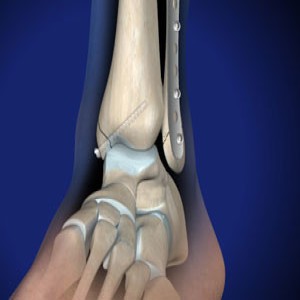
Fracture fixation, also known as open reduction and internal fixation (ORIF), is a surgical procedure used to stabilize and heal broken bones. When conservative treatment (casting or bracing) is insufficient, internal fixation provides accurate alignment, early mobilization, and reliable healing for a wide range of fractures affecting the upper extremity, lower extremity, spine, and other skeletal sites.
Key Fact: Modern fracture fixation techniques, including locked plates, intramedullary nails, and advanced screws, have dramatically improved outcomes, reduced complication rates, and enabled patients to return to function faster than ever before. Success rates exceed 90% in appropriately selected cases.
Understanding Fracture Fixation
Fracture fixation involves surgically realigning broken bone fragments and securing them in place with internal devices to allow healing. Key benefits include:
Accurate anatomic alignment of fracture fragments
Early mobilization and reduced stiffness
Faster return to function and activities
Lower rates of malunion and deformity
Better outcomes in complex fractures
Improved pain management
Early weight-bearing when appropriate
Prevention of neurovascular compromise
Indications for Fracture Fixation
Primary Indications for Fracture Fixation:
Displaced Fractures - Fractures with significant displacement requiring anatomic reduction
Open Fractures - Fractures with skin/soft tissue disruption requiring precise alignment
Comminuted Fractures - Complex multi-fragment fractures requiring stabilization
Intra-Articular Fractures - Fractures extending into joints requiring anatomic reduction
Pathologic Fractures - Fractures through diseased bone requiring stabilization
Multiple Injuries - Polytrauma requiring early mobilization
Non-Union/Delayed Union - Previous fractures with poor healing
Specific Fracture Types - Femur, tibia, humerus, radius/ulna, ankle, pelvis, clavicle
Types of Fracture Fixation Methods
Plate and Screw Fixation
Metal plates secured with screws bridging the fracture site.
Advantages:
Excellent for articular fractures
Direct visualization possible
Multiple screw options
Versatile application
Good for distal fractures
Intramedullary Nailing
Metal rod inserted through bone shaft; minimal soft tissue damage.
Advantages:
Preserves blood supply
Early weight-bearing
Less soft tissue trauma
Better for shaft fractures
Faster healing
Lengthening Amounts and Expectations
Safe Fixation Guidelines
Key Principles:
Achieve anatomic or near-anatomic reduction
Obtain rigid fixation for early mobilization
Avoid over-tightening which can cause stress riser
Multiple fixation points provide stability
Choice of method depends on fracture pattern
Benefits and Risks of Fracture Fixation
Key Benefits
✓ Precise anatomic reduction ✓ Early mobilization possible ✓ Reduced stiffness ✓ Better functional outcomes ✓ Lower malunion rates ✓ Earlier weight-bearing ✓ Improved patient satisfaction ✓ Return to work/activities
Potential Complications
⚠ Surgical site infection (1-3%) ⚠ Deep infection (0.5-2%) ⚠ Hardware breakage/failure ⚠ Nonunion (1-6%) ⚠ Malunion/malalignment ⚠ Nerve injury (1-5%) ⚠ Vascular injury (rare) ⚠ Hardware removal needs
Complication Profile and Rates
Complication | Typical Frequency | Clinical Significance |
|---|---|---|
Surgical Site Infection (superficial) | 1-3% | Usually managed with antibiotics |
Deep Infection/Osteomyelitis | 0.5-2% | Serious; may require debridement |
Nonunion | 1-6% | Depends on fracture type |
Delayed Union | 2-5% | Slow healing; usually resolves |
Malunion (>5° angular deformity) | 3-8% | Usually minor |
Hardware Breakage | 1-3% | May require revision |
Nerve Injury | 1-5% | Usually temporary |
Soft Tissue Complications | 5-15% | Includes poor healing, adhesions |
Need for Hardware Removal | 5-25% | Symptomatic irritation |
Recovery Timeline After Fracture Fixation
Phases of Recovery
Immediate Post-Operative (Days 1-3)
Hospital stay with pain management, wound monitoring, and elevation. Initial physical therapy begins.
Early Phase (Weeks 1-4)
Wound healing continues. Early range of motion exercises initiated. Pain and swelling gradually decrease. Protected weight-bearing may begin for lower extremity fractures.
Intermediate Phase (Weeks 4-12)
Progressive increase in activity. Sutures/staples removed around week 2-3. Advancing strengthening exercises. Most patients return to driving and work activities. Pain significantly improved.
Late Phase (Months 3-6)
Bone healing progresses; union typically evident on imaging. Return to normal weight-bearing. Progressive return to sports/recreational activities. Continued strength rehabilitation.
Long-Term (6-12 Months+)
Complete functional recovery in most cases. Hardware may be removed if symptomatic (6-12+ months post-op). Maximum strength gains achieved. Return to all activities as cleared.
Typical Healing Times
Femur: 4-6 months (faster with IM nail)
Tibia: 3-6 months (varies by location)
Humerus: 3-4 months
Radius/Ulna: 2.5-4 months
Ankle: 2.5-3.5 months
Hand/Foot: 4-8 weeks
Rehabilitation and Physiotherapy
The Critical Role of Rehabilitation
Structured physical therapy is essential for optimal recovery. Early mobilization prevents stiffness, improves blood flow, reduces pain, and accelerates functional recovery. The rehabilitation approach varies by fracture type and fixation method.
Phase 1: Immediate Post-Op (Days 0-2 weeks)
Goal: Protect the surgical repair and manage pain.
Focus on gentle range of motion, pain control, elevation, and ice to reduce swelling.
Phase 2: Early Motion (Weeks 2-6)
Goal: Restore mobility and begin strengthening.
Progress active-assisted to active range of motion. Begin light resistance exercises.
Phase 3: Progressive Strengthening (Weeks 6-12)
Goal: Build strength and functional capacity.
Advance to resistance exercises, functional training, and gait normalization.
Phase 4: Return to Function (3+ Months)
Goal: Return to normal activities and sports.
Sport-specific training, work simulation, and conditioning.
Key Research Findings on Rehabilitation:
Early mobilization improves outcomes significantly
Protected weight-bearing accelerates healing
Formal therapy better than home exercises alone
Early passive range of motion prevents stiffness
Resistance training restores strength (4+ months post-op)
Progressive return to activity improves functional outcomes
Comparison: Plate & Screw vs. Intramedullary Nailing
Key Differences
Plate & Screw Fixation: Excellent for articular fractures and distal fractures. Provides direct visualization and multiple fixation points. Better for complex anatomy but may require larger incisions.
Intramedullary Nailing: Preferred for shaft fractures (femur, tibia). Preserves blood supply, allows earlier weight-bearing, and has faster healing times. Minimally invasive approach reduces soft tissue trauma.
Choice depends on: Fracture location, pattern, soft tissue condition, patient factors, and surgeon experience.
Outcomes by Fracture Type
Expected Union Times and Healing Rates:
Femoral Shaft: 90-95% union rate; 4-6 months average; IM nailing superior for healing speed
Tibial Shaft: 93-96% union rate with IM nailing; 5 months average; plate fixation: 3.5 months but higher complications
Distal Radius: 90-95% excellent/good functional outcomes; 2.5-3.5 months healing
Distal Femur (articular): 76-90% excellent/good results; 4-5 months union; early mobilization critical
Ankle (trimalleolar): 70-90% satisfactory outcomes; 2.5-3.5 months; infection rates 1.8-3%
Proximal Humerus: 70-82% good functional outcomes; 3-4 months; higher reoperation rates (30%)
Factors Influencing Healing and Outcomes
Patient Factors
Age: Younger patients heal faster; older patients require more time
Smoking: Significantly delays healing (avoid smoking 4+ weeks)
Nutrition: Adequate protein and micronutrients essential
Comorbidities: Diabetes, kidney disease may slow healing
Medications: Steroids may impair healing
Compliance: Adherence to rehabilitation critical for success
Fracture Factors
Fracture Type: Simple fractures heal faster than comminuted
Soft Tissue Injury: Open fractures have more complications
Location: Metaphyseal fractures heal faster than diaphyseal
Vascular Status: Good blood supply accelerates healing
Pre-Operative Optimization
Getting Ready for Fracture Fixation
Medical Clearance: Ensure stable medical condition
Nutritional Support: Build up reserves before surgery
Smoking Cessation: Critical—stop 4+ weeks before surgery
PT Instruction: Pre-operative education
Anesthesia Assessment: Ensure tolerance for procedure
Imaging Study: Confirm fracture pattern
Social Support: Arrange help for recovery
Conclusion
Fracture Fixation as Standard of Care
Modern fracture fixation has become the standard of care for most displaced and complex fractures. With advanced surgical techniques, improved implants, and evidence-based rehabilitation protocols, patients achieve excellent functional outcomes, return to activities faster, and experience better long-term results than non-operative treatment.
Key Advantages:
Accurate anatomic alignment
Early mobilization and reduced stiffness
Faster return to function
Better long-term functional outcomes
Lower rates of malunion and deformity
Allows early weight-bearing when appropriate
Superior outcomes in complex fractures
Improved patient satisfaction
Critical Success Factors:
Experienced trauma surgeon
Appropriate fixation method for fracture type
Early mobilization and structured rehabilitation
Patient compliance with therapy
Close follow-up for complications
Realistic expectations about recovery timeline
If you have a displaced fracture or complex fracture pattern, discussion with an experienced orthopedic trauma surgeon about the benefits of surgical fixation may help you achieve the best long-term functional outcome.