Sports Injury
Evidence-Based Guide to Surgical Solutions for Serious Athletic Injuries
Serious sports injuries can significantly affect athletic performance, movement capability, and long-term joint health. When conservative treatments such as rest, physiotherapy, and rehabilitation prove insufficient, surgical intervention may become necessary to repair damaged ligaments, tendons, cartilage, and bones.
Proper surgical treatment—combined with disciplined rehabilitation—helps athletes recover safely and return to peak performance while reducing the risk of chronic complications and future injuries.
Types of Sports Injury Surgery
1. Arthroscopic Surgery
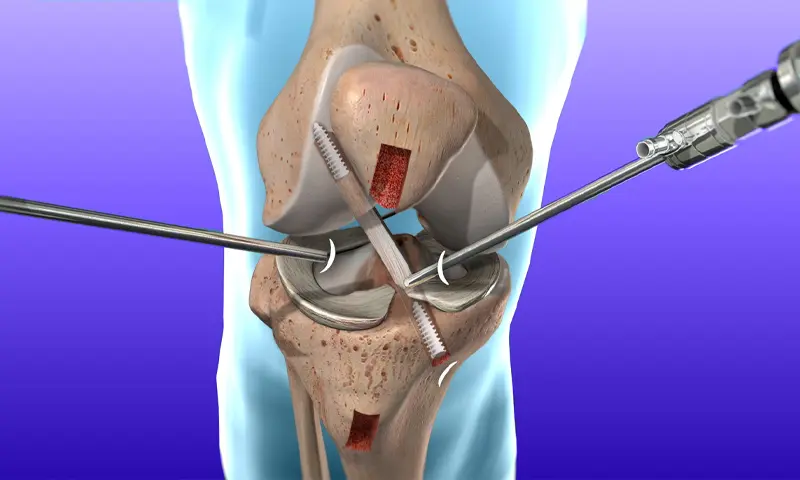
Arthroscopic surgery is a minimally invasive technique where surgeons use a small camera (arthroscope) and specialized instruments to visualize, diagnose, and repair joint structures. This approach has revolutionized sports medicine and orthopedic surgery.
Common Applications:
ACL (Anterior Cruciate Ligament) injuries
Meniscus tears and repairs
Shoulder labrum tears (including SLAP tears)
Articular cartilage damage
PCL and ankle ligament injuries
Advantages:
Smaller incisions reduce tissue trauma
Faster recovery compared to open surgery
Less post-operative pain
Lower infection risk
Faster return to normal activities
Limitations:
Not suitable for all injury types
Requires skilled surgical expertise
Still demands comprehensive rehabilitation
Potential for cartilage damage if technique is suboptimal
Important: Meniscus Repair vs. Removal
When possible, meniscus repair should be prioritized over removal to protect long-term cartilage health. Research shows that meniscus removal can increase the risk of osteoarthritis development, while repair helps prevent cartilage degeneration and maintains normal knee biomechanics.
2. Ligament Reconstruction Surgery
Severe ligament injuries, particularly those affecting high-demand athletes, often require reconstruction using graft tissue to restore joint stability and function. This procedure rebuilds the damaged ligament rather than simply repairing it.
Common Applications:
ACL reconstruction
PCL (Posterior Cruciate Ligament) injuries
Shoulder instability and labral reconstruction
Ankle ligament reconstruction
Expected Recovery Timeline:
ACL Reconstruction: 6-12 months for functional recovery; athletes often return to sports after 9-12 months
Ankle Ligament Reconstruction: 3-6 months for basic function; 6-12 months for full return to athletics
Advantages:
Restores joint stability and strength
Enables return to sports performance
Prevents long-term joint damage
Reduces re-injury risk
Limitations:
Longer recovery period required
Demanding rehabilitation protocols
Risk of graft failure if rehabilitation is inadequate
Requires patient commitment and patience
3. Tendon Repair Surgery
When tendons rupture or suffer severe tears, surgical repair becomes essential to reconnect the torn tissue and restore normal movement and function. Tendons, which connect muscle to bone, are critical for athletic performance.
Common Applications:
Achilles tendon rupture
Rotator cuff tears
Patellar tendon injuries
Biceps tendon tears
Expected Recovery Timeline:
Rotator Cuff Repair: Significant functional improvement at 3 months; continues improving until 12 months post-surgery
Achilles Tendon Repair: 12+ months; while 95% of patients return to work by 12 months, functional deficits may persist in some patients
General Tendon Repair: Expect 3-6 months of post-surgical immobilization and protection, followed by progressive rehabilitation
Advantages:
Restores normal movement patterns
Prevents permanent weakness
Improves athletic function
Reduces chronic pain
Limitations:
Extended recovery period (3-12+ months)
Post-surgery immobilization required
Risk of re-rupture with inadequate rehabilitation
Possible persistent deficits in some cases
4. Fracture Fixation Surgery
Serious sports fractures—particularly displaced fractures or complex break patterns—require surgical stabilization using plates, screws, rods, or other hardware to ensure proper alignment and healing.
Common Applications:
Displaced wrist fractures
Shoulder fractures
Leg and ankle fractures
Complex joint fractures
Advantages:
Precise bone alignment
Superior healing outcomes
Faster return to controlled movement
Reduced risk of malunion
Limitations:
Surgical risks and post-op swelling
Hardware may require later removal
Infection risk from implants
Rehabilitation protocols required
Comprehensive Recovery After Sports Injury Surgery
Recovery is not a passive process. Successful return to athletics requires active engagement and adherence to a structured rehabilitation program. Here are essential recovery principles:
Recovery Essentials:
Follow Your Surgeon's Rehabilitation Plan
Adhere strictly to the prescribed rehabilitation protocol and timeline
Each surgery has specific phases that must be respected
Attend Physiotherapy Regularly
Work consistently with your physical therapist to restore strength, flexibility, and proprioception
Regular sessions prevent setbacks and optimize outcomes
Progress Gradually
Avoid rushing back to sports too early, even when pain subsides
Premature return significantly increases re-injury risk
Maintain Proper Nutrition
Consume adequate protein, vitamins, and minerals to support tissue healing
Proper nutrition accelerates recovery
Strengthen Surrounding Muscles
Gradually build strength in muscles surrounding the surgical site
Additional muscle support provides joint stability
Restore Mobility and Flexibility
Work on both active and passive range-of-motion exercises
Full joint function requires complete mobility restoration
Sport-Specific Training
Gradually reintroduce sport-specific movements and drills
Only progress after medical clearance
Recovery Timeline Varies by Injury Type
Recovery timelines differ significantly based on the type of surgery and individual factors including age, pre-injury fitness level, and rehabilitation adherence.
Typical recovery ranges:
Arthroscopic procedures: 4-12 weeks for basic recovery
Ligament reconstruction: 6-12 months for full return to sport
Tendon repair: 3-12 months depending on location and severity
Fracture fixation: 6-12 weeks for immobilization, 3-6 months for full recovery
Conclusion: Surgical Success Requires Partnership
Sports injury surgery is often the optimal solution for serious injuries that cannot heal adequately through conservative treatment alone. Whether arthroscopic joint repair, ligament reconstruction, tendon repair, or fracture fixation, the ultimate goal extends beyond mere recovery—it aims for a safe and complete return to athletic performance.
Success depends on three critical factors:
Expert Surgical Care - Choose an experienced orthopedic surgeon specializing in sports medicine
Disciplined Rehabilitation - Commit fully to your rehabilitation program, even when progress seems slow
Patient Compliance - Follow medical guidance strictly and resist the urge to return to full activity prematurely
With proper surgical intervention, professional rehabilitation, and personal commitment, athletes can not only recover successfully but often return to sport stronger than before, with significantly reduced risk of future injuries.