Fracture Fixation
Fracture Fixation
Comprehensive Guide to Surgical Treatment, Recovery, and Long-Term Outcomes
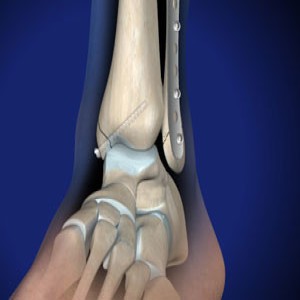
Fracture fixation, also known as open reduction and internal fixation (ORIF), is a surgical procedure used to stabilize and heal broken bones. When conservative treatment (casting or bracing) is insufficient, internal fixation provides accurate alignment, early mobilization, and reliable healing for a wide range of fractures affecting the upper extremity, lower extremity, spine, and other skeletal sites.
Key Fact: Modern fracture fixation techniques, including locked plates, intramedullary nails, and advanced screws, have dramatically improved outcomes, reduced complication rates, and enabled patients to return to function faster than ever before. Success rates exceed 90% in appropriately selected cases.
Understanding Fracture Fixation
Fracture fixation involves surgically realigning broken bone fragments and securing them in place with internal devices to allow healing. Key benefits include:
Accurate anatomic alignment of fracture fragments
Early mobilization and reduced stiffness
Faster return to function and activities
Lower rates of malunion and deformity
Better outcomes in complex fractures
Improved pain management
Early weight-bearing when appropriate
Prevention of neurovascular compromise
Indications for Fracture Fixation
Primary Indications for Fracture Fixation:
Displaced Fractures - Fractures with significant displacement requiring anatomic reduction
Open Fractures - Fractures with skin/soft tissue disruption requiring precise alignment
Comminuted Fractures - Complex multi-fragment fractures requiring stabilization
Intra-Articular Fractures - Fractures extending into joints requiring anatomic reduction
Pathologic Fractures - Fractures through diseased bone requiring stabilization
Multiple Injuries - Polytrauma requiring early mobilization
Non-Union/Delayed Union - Previous fractures with poor healing
Specific Fracture Types - Femur, tibia, humerus, radius/ulna, ankle, pelvis, clavicle
Types of Fracture Fixation Methods
Plate and Screw Fixation
Metal plates secured with screws bridging the fracture site.
Advantages:
Excellent for articular fractures
Direct visualization possible
Multiple screw options
Versatile application
Good for distal fractures
Intramedullary Nailing
Metal rod inserted through bone shaft; minimal soft tissue damage.
Advantages:
Preserves blood supply
Early weight-bearing
Less soft tissue trauma
Better for shaft fractures
Faster healing
Lengthening Amounts and Expectations
Safe Fixation Guidelines
Key Principles:
Achieve anatomic or near-anatomic reduction
Obtain rigid fixation for early mobilization
Avoid over-tightening which can cause stress riser
Multiple fixation points provide stability
Choice of method depends on fracture pattern
Factors Influencing Healing and Outcomes
Patient Factors
Age: Younger patients heal faster; older patients require more time
Smoking: Significantly delays healing (avoid smoking 4+ weeks)
Nutrition: Adequate protein and micronutrients essential
Comorbidities: Diabetes, kidney disease may slow healing
Medications: Steroids may impair healing
Compliance: Adherence to rehabilitation critical for success
Fracture Factors
Fracture Type: Simple fractures heal faster than comminuted
Soft Tissue Injury: Open fractures have more complications
Location: Metaphyseal fractures heal faster than diaphyseal
Vascular Status: Good blood supply accelerates healing
Conclusion
Fracture Fixation as Standard of Care
Modern fracture fixation has become the standard of care for most displaced and complex fractures. With advanced surgical techniques, improved implants, and evidence-based rehabilitation protocols, patients achieve excellent functional outcomes, return to activities faster, and experience better long-term results than non-operative treatment.
Key Advantages:
Accurate anatomic alignment
Early mobilization and reduced stiffness
Faster return to function
Better long-term functional outcomes
Lower rates of malunion and deformity
Allows early weight-bearing when appropriate
Superior outcomes in complex fractures
Improved patient satisfaction
Critical Success Factors:
Experienced trauma surgeon
Appropriate fixation method for fracture type
Early mobilization and structured rehabilitation
Patient compliance with therapy
Close follow-up for complications
Realistic expectations about recovery timeline
If you have a displaced fracture or complex fracture pattern, discussion with an experienced orthopedic trauma surgeon about the benefits of surgical fixation may help you achieve the best long-term functional outcome.