Shoulder Joint Replacement
Shoulder Joint Replacement
Comprehensive Guide to Anatomic and Reverse Procedures, Recovery, and Long-Term Outcomes
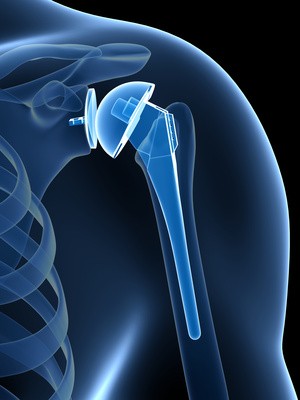
Shoulder joint replacement, also known as shoulder arthroplasty, is a surgical procedure in which a damaged or diseased shoulder joint is replaced with an artificial prosthesis. It is an increasingly popular orthopedic procedure that offers significant pain relief and functional improvement for patients with advanced shoulder osteoarthritis, rotator cuff damage, and other debilitating shoulder conditions.
Key Fact: Shoulder replacement provides excellent pain relief and functional restoration for appropriately selected patients, with most patients experiencing significant improvement in pain, range of motion, and quality of life. The greatest improvement occurs within the first 6 months after surgery.
Understanding the Shoulder and Arthritis
The shoulder is the most mobile joint in the human body, allowing for a wide range of movement. However, this mobility comes with less inherent stability compared to other joints. Shoulder osteoarthritis and rotator cuff damage can lead to:
Chronic pain and stiffness
Limited range of motion and difficulty reaching overhead
Loss of strength and difficulty performing daily activities
Sleep disturbances
Significant reduction in quality of life
Loss of independence in self-care and work activities
When conservative treatments fail to provide relief, shoulder replacement becomes an important surgical option for restoring function and improving quality of life.
Types of Shoulder Replacement
Two main types of shoulder replacement are performed, each suited to different pathologies and patient factors:
Anatomic Total Shoulder Arthroplasty (aTSA)
The artificial ball (head) and socket (glenoid) replace their natural counterparts, restoring normal shoulder anatomy.
Ideal for:
Primary osteoarthritis with intact rotator cuff
Post-traumatic arthritis
Osteonecrosis of humeral head
Inflammatory arthropathies
Advantage: Better functional outcomes with intact rotator cuff
Reverse Total Shoulder Arthroplasty (rTSA)
The ball and socket are reversed—the ball is placed on the scapula (shoulder blade) and the socket on the humerus (arm bone).
Ideal for:
Rotator cuff tear arthropathy (cuff tear with arthritis)
Irreparable rotator cuff tears
Complex proximal humerus fractures
Failed prior shoulder surgery
Advantage: Compensates for rotator cuff deficiency
Indications for Shoulder Replacement
Shoulder replacement is indicated when shoulder pain and functional limitations significantly impact quality of life despite conservative treatment. The decision requires careful evaluation of imaging, clinical findings, and response to non-operative care.
Primary Indications for Shoulder Replacement:
Primary Osteoarthritis (Glenohumeral Arthritis) - Degenerative joint disease of the shoulder with intact or minimally torn rotator cuff
Rotator Cuff Tear Arthropathy (Cuff Tear Arthritis) - Arthritis secondary to massive, irreparable rotator cuff tears
Post-Traumatic Osteoarthritis - Arthritis following shoulder dislocation, proximal humerus fracture, or acetabular fracture
Osteonecrosis of Humeral Head - Death of bone tissue in the humeral head with preserved glenoid
Complex Proximal Humerus Fractures - Severe fractures in older patients where replacement is often better than repair
Rheumatoid Arthritis - Inflammatory arthropathy affecting the shoulder
Secondary Osteoarthritis - Arthritis from various causes including infection or previous surgery
When Conservative Treatment Has Failed
Shoulder replacement is typically considered after conservative treatments have been tried for 3-6 months. These include:
Physical therapy and rehabilitation
Anti-inflammatory medications
Corticosteroid injections
Activity modification
Rest and ice
Benefits of Shoulder Replacement
Key Benefits
✓ Significant pain relief ✓ Improved shoulder function ✓ Restored range of motion ✓ Improved quality of life ✓ Better sleep quality ✓ Enhanced independence ✓ Return to activities and hobbies ✓ Long-term durability
Activity Progression
Weeks 0-4: Protected mobilization only, gentle exercises
Weeks 4-12: Progressive active exercises and light strengthening
3+ Months: Return to most activities, sports as tolerated after clearance
Conclusion
Shoulder Replacement as a Transformative Procedure
Shoulder replacement represents a significant advancement in treating advanced shoulder arthritis and rotator cuff pathology. With modern implants, refined surgical techniques, and evidence-based rehabilitation protocols, shoulder replacement provides dramatic improvements in pain relief, function, and quality of life for appropriately selected patients.
Key Advantages:
Significant pain relief—most patients become pain-free or near pain-free
Restored shoulder function and range of motion
Greatest improvements within first 6 months
High patient satisfaction with outcomes
Long-term functional improvements maintained
Return to activities and quality of life restoration
Success Requires:
Appropriate patient selection and surgical indication
Experienced shoulder surgeon
Strict adherence to post-operative protocols
Committed participation in structured rehabilitation
Realistic expectations about recovery timeline
Regular follow-up with surgical team
If you're experiencing severe shoulder pain and dysfunction from arthritis or rotator cuff pathology that limits your quality of life, discussing shoulder replacement with an experienced orthopedic surgeon may be an important step toward restoring your shoulder function and enjoying an active lifestyle again.