Spinal Fixation

Main Logo

Evidence-Based Guide to Surgical Solutions for Spinal Fixation

Spinal disorders—including traumatic vertebral fractures, degenerative disc disease, spondylolisthesis, cervical spondylotic myelopathy, scoliosis, kyphotic deformity, and spinal infections or tumors—can significantly affect mobility, neurological function, and quality of life. When conservative treatments such as activity modification, bracing, analgesics, and physiotherapy prove insufficient, spinal fixation surgery may become necessary to stabilize the vertebral column, decompress neural structures, correct deformity, and prevent further deterioration.

Spinal fixation is an orthopaedic and neurosurgical procedure in which two or more vertebrae are anchored together using a synthetic fixation device—typically titanium pedicle screws, rods, plates, hooks, or interbody cages—with the aim of reducing pathological vertebral motion, decompressing the spinal cord and nerve roots, and creating a biomechanical environment that supports bony fusion. Proper surgical technique, appropriate implant selection, and disciplined rehabilitation help patients recover safely, restore neurological function, and reduce the risk of long-term complications such as pseudarthrosis (failed fusion), hardware failure, periprosthetic infection, and progressive deformity.


Types of Spinal Fixation Surgery

Pedicle Screw and Rod Fixation

Pedicle screw and rod fixation is the most widely used technique for stabilizing the thoracic and lumbar spine. The procedure involves placing titanium screws through the pedicles of the vertebrae and connecting them with longitudinal rods to immobilize the affected segments while bony fusion takes place. Modern surgery commonly uses intraoperative 3D imaging, image guidance, or robotic navigation to improve screw placement accuracy.


Common Applications:

Traumatic thoracolumbar and lumbar fractures (compression, burst, and unstable injuries)

Degenerative disc disease and lumbar spondylosis

Spondylolisthesis (slipped vertebra)

Spinal tumors and metastatic disease

Pyogenic and tuberculous spondylodiscitis with instability

Scoliosis and kyphotic deformity correction


Advantages:

Provides rigid three-column fixation and immediate biomechanical stability

Effective correction of kyphotic deformity and restoration of vertebral height

Permits early mobilization and rehabilitation, reducing immobilization-related complications

Significant improvement in pain (VAS) and Oswestry Disability Index (ODI) scores

Supports neurological recovery in patients with incomplete spinal cord deficits

Versatile across trauma, degenerative, oncological, and infectious indications


Limitations:

General complication rates of approximately 36.5% have been reported in mixed-indication cohorts, with hardware failure in 10.7% and problems within instrumented segments in 34.7% (most not affecting final outcome)

Screw malposition with potential injury to nerve roots, spinal cord, dura, or major vessels remains a recognized risk (compiled literature reviews encompass more than 35,000 placed screws)

Periprosthetic infection, cerebrospinal fluid leakage, and durotomy can occur

Possible adjacent segment disease over the long term

Outcomes depend heavily on surgical experience and meticulous technique

Important: Fixation Plus Fusion Principle

Spinal fixation devices provide immediate mechanical stability but are not designed to withstand prolonged biological stress alone. Bone graft material—autograft, allograft, or biological substitutes—is typically added to promote bony fusion across the instrumented segments. Without successful fusion, the hardware will eventually fatigue and fail, making fusion essential for long-term durability in most cases.


Anterior Cervical Discectomy and Fusion (ACDF)

ACDF is one of the most commonly performed spinal procedures worldwide and the workhorse operation for symptomatic cervical disc disease. The procedure involves an anterior approach to the cervical spine, removal of the damaged disc, direct decompression of the spinal cord or nerve roots, and stabilization using an interbody cage or bone graft, often supplemented by an anterior plate fixed with screws.


Common Applications:

Cervical disc herniation with radiculopathy

Cervical spondylotic myelopathy

Cervical spine instability and trauma

Degenerative cervical disc disease with axial neck pain and neurological compromise

Adjacent-segment disease following prior cervical fusion


Advantages:

Excellent long-term outcomes for pain relief, neurological recovery, and quality of life

Direct decompression of neural structures with restoration of cervical lordosis and disc height

Significant improvement in Neck Disability Index (NDI) and VAS scores for neck and arm pain

Anterior plating significantly increases fusion rates compared with stand-alone cage constructs and reduces cage subsidence

In a large database review of 138,839 ACDF procedures, only 6.1% of patients experienced any complication within 90 days

Outpatient ACDF in appropriately selected patients shows lower overall complications (RR 0.45), lower mortality (RR 0.35), lower deep vein thrombosis (RR 0.56), and lower wound complications (RR 0.59) compared with inpatient ACDF


Limitations:

The overall postoperative complication rate across 222 studies and more than 50,000 patients is approximately 16%

Postoperative dysphagia is among the most common complications, particularly with bone morphogenetic protein use and a greater number of operated levels

Risk of recurrent laryngeal nerve palsy, esophageal injury, hematoma, surgical site infection, and cerebrospinal fluid leak

Multilevel ACDF (two or more levels) carries higher operative time, blood loss, and complication rates than single-level surgery

Approximately 5.4% of patients require surgical revision within 2 years in large cohorts

Pseudarthrosis and adjacent segment disease remain long-term concerns; cervical disc arthroplasty is an alternative motion-preserving option in selected patients

Important: Plate Fixation Improves Fusion Outcomes

Comparative meta-analyses show that ACDF with anterior plate fixation is associated with significantly higher fusion rates and lower cage subsidence than stand-alone cage constructs, though it may slightly increase early postoperative dysphagia. Modern low-profile plates and anchored stand-alone cages aim to balance fusion success with reduced soft-tissue irritation.


Minimally Invasive Spinal Fixation (MIS)

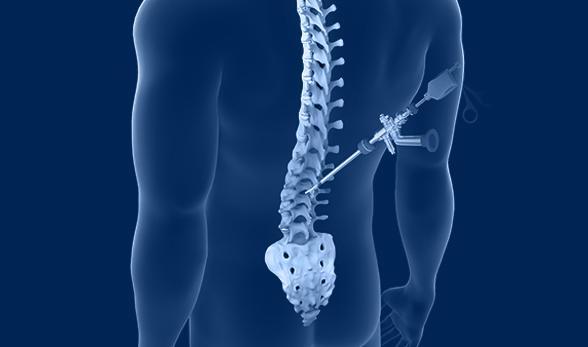
Minimally invasive spinal fixation uses tubular retractors, microscopes or endoscopes, image guidance, and percutaneous screw placement to achieve the same stabilization goals as traditional open surgery, but with significantly less tissue disruption. Common applications include minimally invasive transforaminal lumbar interbody fusion (MIS-TLIF), lateral lumbar interbody fusion (LLIF/XLIF), and percutaneous pedicle screw fixation (PPSF) for trauma.


Common Applications:

Lumbar spondylolisthesis and degenerative disc disease

Single and multi-level lumbar interbody fusion (MIS-TLIF, LLIF, XLIF)

Selected traumatic thoracolumbar fractures requiring stabilization

Osteoporotic vertebral fractures requiring long-construct fixation

Spinal tuberculosis with instability

Adjacent-level revision and selected deformity cases


Advantages:

Significantly less intraoperative blood loss—pooled meta-analysis shows a mean reduction of approximately 290 mL compared with open TLIF

Shorter length of hospital stay and faster return to work

Less postoperative pain and reduced narcotic requirements

Smaller incisions reduce wound complications and infection risk

Preservation of paraspinal musculature reduces long-term "fusion disease" and chronic back pain

Comparable fusion rates and long-term patient-reported outcomes (EQ-5D, SF-36, ODI, VAS) to open surgery at minimum 2-year follow-up

For traumatic thoracolumbar fractures, systematic review of 909 patients (374 open, 535 MIS) showed favorable ODI outcomes in the MIS group


Limitations:

Longer operative time during the surgeon's learning curve

Steep learning curve requiring specialized training

Significantly increased intraoperative fluoroscopy and radiation exposure

Limited direct visualization of anatomy

In percutaneous pedicle screw fixation series of 781 patients, complications occurred in 5.9% and included guide wire rupture, vascular injury, dural injury, screw misplacement, screw breakage, rod loosening, poor reduction, and late infection

Not ideal for severe deformity, multilevel revision, or complex three-column injuries

Higher dependence on intraoperative imaging and navigation infrastructure

Important: MIS vs. Open Fixation Outcomes

Multiple meta-analyses of prospective comparative studies show that minimally invasive techniques offer significant advantages in blood loss and hospital stay while delivering equivalent results in long-term pain relief, disability scores, fusion rates, and overall complication rates compared with traditional open surgery. The trade-off is increased intraoperative radiation and a longer learning curve. The choice between approaches should be guided by surgeon expertise, patient anatomy, and the complexity of pathology.


Spinal Deformity Correction with Instrumented Fixation

Severe spinal deformities—including adolescent idiopathic scoliosis (AIS), adult degenerative scoliosis, kyphosis, and neuromuscular scoliosis—often require extensive instrumented fixation combined with corrective maneuvers to restore alignment and prevent progression. Modern constructs typically use segmental pedicle screw fixation with rod derotation, occasionally combined with osteotomies (Smith-Petersen, pedicle subtraction, or vertebral column resection) for severe rigid deformity. Long constructs to the sacrum and pelvis are often required in adult spinal deformity.


Common Applications:

Adolescent idiopathic scoliosis (AIS)

Adult degenerative and idiopathic scoliosis

Neuromuscular scoliosis (with or without pelvic fixation)

Congenital scoliosis (including hemivertebra resection)

Sagittal plane deformities and severe kyphosis (e.g., Scheuermann, ankylosing spondylitis)

Iatrogenic flat-back deformity and revision deformity surgery


Expected Outcomes:

Significant improvement in Scoliosis Research Society (SRS) outcome scores, ODI, and SF-36 physical component summaries at minimum 2-year follow-up

Three-dimensional correction of coronal, sagittal, and rotational deformity using segmental pedicle screw constructs

Halts curve progression and reduces cosmetic and respiratory consequences of severe deformity


Advantages:

Restores three-dimensional spinal alignment

Halts progression of deformity and protects the spinal cord

Improves cardiopulmonary function in severe thoracic curves

Significantly improves health-related quality of life

Reduces back pain and cosmetic concerns


Limitations:

High complication rate in adult deformity surgery, reflecting the magnitude of the procedures and frailty of the patients

Pseudarthrosis is a major concern: meta-analysis shows an incidence of approximately 1.4% in adolescent idiopathic scoliosis, 2.2% in neuromuscular scoliosis, and 6.3% in adult spinal deformity

In long adult deformity instrumentation and fusion to the sacrum, pseudarthrosis rates of approximately 24% have been reported, most commonly within 4 years postoperatively

Pseudarthrosis is associated with significantly lower SRS-24 outcome scores (average 71 vs 90 in fused patients)

Risk factors for pseudarthrosis include thoracolumbar kyphosis ≥20°, hip osteoarthritis, positive sagittal balance ≥5 cm, age over 55, incomplete sacropelvic fixation, and longer constructs (>12 vertebrae)

Risk of neurological injury (requiring intraoperative spinal cord monitoring), proximal junctional kyphosis/failure (PJK/PJF), rod fracture, and infection

Long operative times and significant blood loss in extensive constructs

Revision rates remain meaningful, with up to 23.6% of revision fusion surgeries performed specifically for pseudarthrosis


Important: Sagittal Balance Determines Long-Term Success

Multiple studies confirm that restoration of sagittal alignment—particularly correction of thoracolumbar kyphosis and avoidance of postoperative positive sagittal imbalance ≥5 cm—is one of the most powerful predictors of fusion success and patient-reported outcomes. In revision surgery for pseudarthrosis, fusion is most successful when overall sagittal alignment is restored, with reported revision fusion rates of approximately 90% when alignment is corrected.


Comprehensive Recovery After Spinal Fixation Surgery

Recovery from spinal fixation is not a passive process. Successful return to function requires active engagement and adherence to a structured rehabilitation program.


Recovery Essentials:

Follow Your Surgeon's Rehabilitation Plan

Adhere strictly to the prescribed rehabilitation protocol and timeline

Each fixation procedure has specific phases of immobilization, bracing, and progressive loading that must be respected


Begin Early Mobilization

Initiate ambulation as soon as medically cleared, often within 1–2 days post-surgery

Early mobilization reduces complications such as deep vein thrombosis, pulmonary embolism, and pneumonia


Attend Physiotherapy Regularly

Work consistently with your physical therapist to restore strength, flexibility, and core stability

Regular sessions optimize neurological recovery and functional outcomes


Use Bracing as Prescribed

Wear a spinal orthosis (brace) for the duration recommended by your surgeon

Bracing supports the construct during the critical healing period, particularly important after thoracolumbar fixation and long deformity constructs


Progress Gradually

Avoid bending, twisting, and heavy lifting for the prescribed period, even when pain subsides

Premature loading significantly increases the risk of hardware failure, rod fracture, and pseudarthrosis


Maintain Proper Nutrition

Consume adequate protein, calcium, vitamin D, and other nutrients to support bone healing and fusion

Smoking cessation is critical—nicotine substantially impairs bone fusion and is a major modifiable risk factor for pseudarthrosis


Strengthen Core and Paraspinal Muscles

Gradually rebuild core, abdominal, and back musculature to support the spine

Additional muscle support reduces stress on the fusion construct and lowers the risk of adjacent segment disease


Manage Comorbidities

Optimize bone density (treat osteoporosis), blood sugar (in diabetes), and weight before and after surgery

Older age, osteopenia, and chronic medical disease increase the risk of fixation failure and pseudarthrosis


Monitor for Warning Signs

Report any new neurological symptoms, increasing or returning pain, fever, wound drainage, or sudden mechanical pain immediately

Early detection of complications such as infection, hardware loosening, rod fracture, or proximal junctional failure significantly improves outcomes


Recovery Timeline Varies by Procedure and Patient

Recovery timelines differ significantly based on the type of fixation, levels instrumented, and individual factors including age, bone quality, comorbidities, and rehabilitation adherence.


Typical recovery ranges:

Minimally invasive single-level fixation (MIS-TLIF, percutaneous PPSF): Return to office work in 2–4 weeks; functional recovery in 3 months

Open lumbar fusion: Initial recovery in 6–12 weeks; full recovery may take up to 6 months

ACDF: Most patients return to light activity within 4–6 weeks; solid fusion typically takes 3–6 months

Multi-level deformity correction: 6–12 months for substantial functional recovery; bony fusion continues for up to 12–24 months

Traumatic thoracolumbar fracture fixation: Early mobilization within days; significant functional improvement at 3–6 months

Revision fusion for pseudarthrosis: Recovery is more variable, often 6–12 months, with continued radiographic assessment of fusion


Conclusion: Successful Spinal Fixation Requires Partnership

Spinal fixation surgery is often the optimal solution for serious spinal conditions—including instability, deformity, fracture, infection, tumor, and degenerative disease—that cannot be managed adequately with conservative treatment alone. Whether the procedure involves pedicle screw and rod fixation, anterior cervical discectomy and fusion, minimally invasive stabilization, or comprehensive deformity correction, the ultimate goal extends beyond mere stabilization—it aims to restore neurological function, relieve pain, correct alignment, and improve long-term quality of life.


Success depends on three critical factors:

Expert Surgical Care – Choose an experienced spine surgeon with specific fellowship training in the relevant fixation technique, supported by intraoperative imaging, navigation, and neuromonitoring as required.

Disciplined Rehabilitation – Commit fully to the prescribed rehabilitation program, including bracing, physiotherapy, and activity restrictions, even when progress seems slow.

Patient Compliance – Follow medical guidance strictly, avoid smoking, optimize nutrition and bone health, treat osteoporosis when present, and resist the urge to return to demanding activity prematurely.

With proper surgical intervention, professional rehabilitation, and personal commitment, patients undergoing spinal fixation can achieve durable pain relief, restored stability, and meaningful improvements in function—often returning to active and productive lives with significantly reduced risk of future spinal complications.


Contact Image

Schedule your consultation

Schedule your consultation

Taking care of your joint health is crucial for your overall well-being. Schedule your appointment today.

Taking care of your joint health is crucial for your overall well-being. Schedule your appointment today.